Turn Sales Skills into Measurable Revenue Performance
April 2, 2026



Publié
21/1/26
Imagine having a Sales Call Coaching Scorecard powered by an AI sales tool that dissects every sales call into a precise 25-point rubric. This powerful tool enables you, as a manager, to provide targeted feedback, helping transform your reps' performance during real calls. The scorecard is designed to evaluate essential aspects such as objection handling, talk-listen ratio, and closing techniques. By using this structured approach, and integrating artificial intelligence, sales teams can effectively track progress, enhance quality scoring, and achieve quotas faster through consistent coaching.
Imagine your sales managers spending countless hours giving vague feedback after calls, relying solely on memory or gut feelings. This often leads to inconsistent results and frustrated sales reps. Unstructured coaching can create chaos teams miss follow-ups, struggle to track customer interactions, and depend too heavily on individual reps' notes. This increases the risk of lost deals and uneven performance. By switching to scorecards, the game changes: these tools introduce clear guidelines, transforming chaotic sessions into focused and effective reviews. Every rep follows the same steps for objection handling, maintaining an optimal talk-to-listen ratio, and closing deals. This approach enhances both efficiency and consistency across your sales teams.
With a structured approach, win rates can climb by up to 28%. Scorecards standardize training and feedback, enabling reps to bridge skill gaps and close deals faster. They provide measurable insights that drive sales performance, such as quota attainment rising to 91%, larger average deal sizes, and more booked meetings. Additionally, scorecards foster collaboration and agility, especially in high-pressure environments. Ultimately, these tools empower managers to coach their teams with precision, eliminating inefficiencies and building high-performing sales teams that consistently hit their quotas ahead of schedule.

When designing your 25-point sales call coaching scorecard, you're creating a tool that breaks down every conversation into measurable segments. Each segment is weighted to reflect the factors that truly drive conversions in your business. Start by identifying the core categories that matter most: opening and qualification, value communication, objection handling, closing, and process adherence.
Each category should have its own point allocation. For instance, opening and qualification might earn 15% of the total score, value communication 25%, objection handling 30%, closing 25%, and process adherence 5%. This structure helps you quantify subjective elements like rapport-building, creating urgency, and using stories and examples that resonate with specific prospect types.
Define what excellent, acceptable, and below-expectations performance looks like for each component. For example, when measuring the talk-to-listen ratio during a call, exceeding expectations might mean the rep asks thoughtful questions that uncover buying motivations. Meeting expectations could involve asking qualifying questions and listening actively, while below expectations would be the rep dominating the conversation without seeking customer input.
This clarity eliminates guesswork, ensures managers calibrate consistently month to month, and transforms vague impressions into specific coaching insights.
A practical call scorecard typically evaluates whether your rep greeted the customer naturally, asked smart questions to understand needs, explained the offer clearly, connected it to the customer's goals, handled objections respectfully, asked for the sale or next step, and followed compliance guidelines. You can also include dimensions like understanding the customer's "why," identifying all relevant buyers, building value in the next step, and confirming resolution at the end of the call.
Testing your sales call scoring with one team for 4 to 6 weeks allows you to gather real data on what works. This helps you refine your scorecard before rolling it out across all sales reps, ensuring it is both effective and practical.
Best practices emphasize focusing on metrics that actually improve conversions, not just what sounds impressive in leadership meetings. Include space for qualitative feedback, where managers can note what went well, what could improve, and what the rep learned from the experience. This transforms your scorecard from a mere checkbox exercise into a genuine dialogue tool. Together, you and your rep can dig into specifics: Did they build credibility in the opening 30 seconds? Did they create appropriate urgency without damaging trust? Did they handle a tricky objection with respect?
By combining these behavioral observations with data on outcomes like deals closed, pipeline movement, and average deal size, your scorecard becomes a powerful coaching engine that drives meaningful results.
Start by launching a pilot program with one sales team for 4-6 weeks. This allows you to test your sales call coaching scorecard and gather baseline data before a full rollout. Train your managers to ensure consistent calibration by defining clear criteria for each rating level. For example, clarify what differentiates a top-tier response in objection handling from an average one, and provide real examples to align everyone's understanding. Assign specific responsibilities, dividing key metrics between reps and managers (e.g., weekly meetings booked or monthly proposals sent). Introduce the scorecard during team huddles and include hands-on practice by reviewing sample calls together.
In coaching sessions, use call recordings to review the rubric together. Begin by highlighting strengths, such as effective rapport-building, before addressing areas for improvement, like the quality of next steps. Leverage the scorecard and integrate training sales with AI to focus on observable behaviors for instance, did the sales rep validate decision criteria or maintain an optimal talk-to-listen ratio? Provide actionable feedback grounded in specifics, such as: "Next time, reframe that objection by tying it back to their urgency." Schedule regular one-on-one meetings and incorporate peer learning opportunities, where high-performing reps can shadow others. Turn these reviews into collaborative plans with measurable goals tied to pipeline growth.
Monitor trends over time using sales dashboard visuals to track shifts in performance metrics, such as improved conversion rates or enhanced deal progression. Calculate overall scores with weighted formulas (e.g., CSAT at 40%, next steps at 30%) and review team composites monthly to identify patterns, like inconsistent follow-ups. Adjust scorecard weights if necessary, especially if reps are prioritizing speed over quality. Celebrate achievements, such as faster bookings or stronger pipeline growth, and iterate on your scorecard based on data insights. This ensures your scorecards stay relevant and continue driving high-performing sales teams forward.
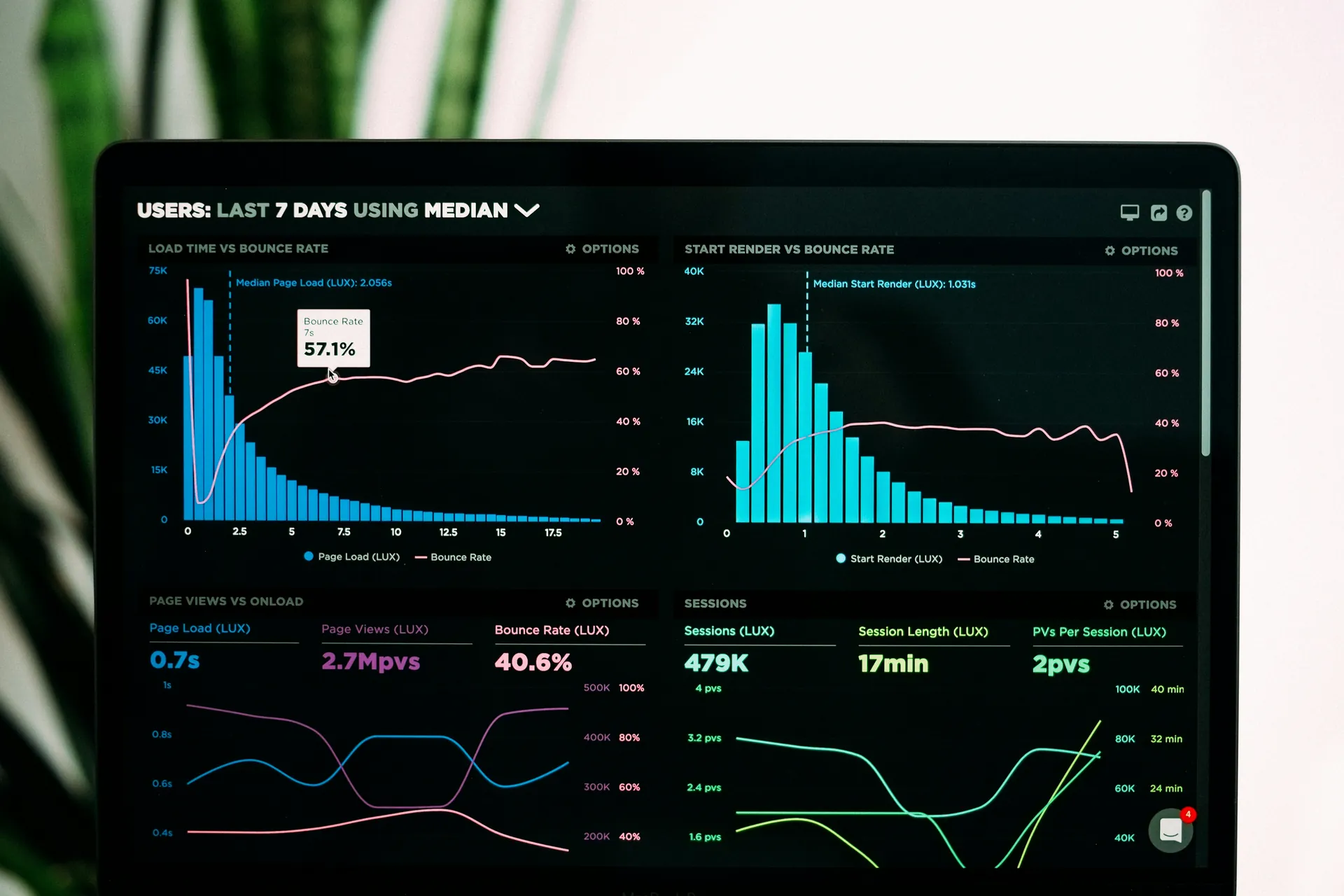
Your sales scorecards collect raw numbers, but the true power lies in transforming that data into actionable strategies that reshape your entire sales performance trajectory. Start by correlating your scorecard metrics with outcomes: for instance, if reps scoring high on objection handling consistently close larger deals, you've identified a lever worth amplifying across your team or center. Generate monthly reports to pinpoint which sales reps excel at building credibility in openings, which struggle with next-step urgency, and which perfectly balance their talk-listen ratio. Then, identify the patterns that distinguish your top performers from the middle tier.
Leverage conversation intelligence powered by AI to dive deeper into surface scores, uncovering why one rep's 8/10 on closing outperforms another's 9/10. This involves analyzing their language, tone, and timing choices during calls, revealing micro-behaviors like pausing after objections to let customers speak or using specific phrases that create urgency.
When you identify these winning behaviors in your highest-revenue reps, you can build a playbook: document their exact approach to handling pricing pushback, isolating true decision-makers, and positioning next steps as a natural progression rather than a sales tactic. Managers can then use these real examples to coach underperformers, accelerating their journey toward high-performing status.
Modern AI sales platforms empower you to search your entire call library by specific scorecard dimensions, instantly pulling recordings where reps scored below 6/10 on objection handling or where talk-listen ratio fell below 40%. This proactive capability allows you to identify skill gaps before they impact quotas, rather than waiting for poor deals to surface.
You can filter for calls from reps in their first 90 days to catch early warning signs or search for all demos booked in the past month to celebrate high-performing sales behaviors and replicate them across your team.
Create custom reports that cross-reference scorecard performance with pipeline velocity. These reports can highlight which reps’ calls correlate with faster deal progression, which ones stall at the proposal stage, and which consistently increase average deal size. Such insights help you determine where to focus your coaching efforts, perhaps revealing that your team excels at opening moves but struggles with price negotiation, signaling areas where training needs to be intensified.
Schedule regular review sessions with managers to analyze scorecards alongside call recordings. Discuss the "why" behind the scores and strategize precise next steps to address weak areas. This transforms your sales dashboard from a static report into a dynamic strategic tool that drives weekly coaching conversations and informs longer-term sales performance tracking decisions.
Today's AI sales platforms offer powerful sales coaching software options such as Gong, Insight7, Revenue.io, Highspot, and Avoma. These tools automate the labor-intensive process of scorecard implementation, transforming manual tasks into scalable insights for your call center or sales teams. They capture every sales call, generate automated call scoring using customizable scorecards and sales dashboard templates aligned with methodologies like MEDDIC or Challenger, and consolidate rep activity into intuitive interfaces. This allows you to identify coaching needs without spending endless hours on reviews while leveraging artificial intelligence to continuously improve.
For call center agents, platforms like Calldrip provide call center scorecards with custom KPIs and team benchmarks. Meanwhile, Highspot's rep scorecard and team scorecard integrate CRM data to offer a holistic view of content engagement and play effectiveness.
You can choose the best solution based on your specific setup. For example, Gong excels in conversation intelligence for revenue leaders, while Revenue.io's generative scorecards can process thousands of calls instantly with zero bias.
AI-powered conversation intelligence in these tools provides real-time justifications for scores. They highlight why a rep excelled at handling objections or struggled with urgency, allowing managers to coach their teams with precise, evidence-based feedback instead of relying on hunches. For example, AI Sales training tools like muchbetter analyze sentiment, keywords, and patterns to uncover best practices from top sales reps. These insights can then be replicated through personalized nudges that reinforce training immediately after calls.
This approach shifts your strategy from reactive fixes to proactive improvements. AI Sales Coaching identifies trends, such as a suboptimal talk-to-listen ratio among high-performing sales teams, predicts which reps are likely to hit their quotas sooner, and links scores to tangible outcomes like increased average deal size or faster pipeline movement. For call center scorecard needs, a hybrid AI-human review process prioritizes outlier calls, ensuring that even growing sales teams receive consistent, data-driven coaching to achieve high performance while adopting training sales with AI for sustainable growth.
Your 25-point sales call coaching scorecard is more than just a tracking tool, it's your blueprint for transforming sales rep performance and achieving quotas faster. By implementing structured scorecards, you align coaching with measurable outcomes, empower managers to deliver targeted feedback, and build high-performing sales teams rooted in data-driven insights.
Start today: define clear objectives, select metrics that matter to your business, and pilot the process with one team before scaling it across your organization.
Commit to regular reviews, adjust strategies based on conversation intelligence, and witness your sales performance soar while reps gain confidence in their abilities. The time to act is now, your next winning quarter depends on the coaching foundation you establish today.
When creating a sales call scorecard, focus on key metrics such as win rate, quota attainment, call volume, lead conversion rate, response time, objection handling, and closing techniques. Ensure these metrics are weighted according to your business goals for a well-rounded evaluation.
Maintain fairness by using standardized scorecards with clear criteria, precise definitions, and weighted scales. Train evaluators and establish benchmarks to calibrate scoring. Pilot the scorecards, gather team feedback, and refine them to ensure consistency.
Regularly review scorecards to identify trends and areas for improvement. Conduct 1:1 coaching sessions that provide specific feedback, highlight strengths, pinpoint improvements, and outline actionable plans such as call reviews or targeted training.
Track progress both quantitatively and qualitatively. Celebrate wins, and adjust goals quarterly to maintain ongoing improvement.
Encourage team involvement by collaboratively identifying relevant metrics, setting achievable goals, and assigning responsibilities based on roles. Share the scorecard design process transparently to foster visibility, gather feedback, and build ownership. This approach helps promote accountability and healthy competition within the team.

An AI sales training platform helps sales teams improve skills through guided practice, feedback, and repeatable training workflows. Instead of relying only on theory, reps can train with realistic scenarios, get coaching recommendations, and track progress over time. The goal is faster onboarding, stronger messaging, and better performance in real customer conversations.
Most AI sales training platforms combine structured learning paths with interactive practice. Reps train with scenarios (discovery, objections, demos), receive feedback on what to improve, and managers can monitor readiness with scorecards. The platform typically supports onboarding, continuous coaching, and certification gates to validate skills before reps go live.
It’s designed for sales leaders, enablement, and L&D teams who want consistent training at scale. It’s also useful for SDRs, AEs, and customer-facing teams that need to ramp quickly, practice messaging, and improve performance without depending solely on ad-hoc manager time.
AI sales training isn’t a replacement for managers, it’s a way to standardize and scale practice. Traditional training often focuses on content (slides, playbooks). An AI sales training platform adds structured repetition, feedback loops, and measurable progress, helping teams move from knowledge to real execution faster.
Common use cases include discovery calls, objection handling, qualification, negotiation, demo delivery, and follow-up messaging. Many teams also use AI training for onboarding, product updates, new pitch rollouts, and role-specific readiness (SDR vs AE). The best platforms support continuous improvement, not one-off workshops.
Yes. A strong AI sales training platform accelerates onboarding by giving reps clear weekly milestones, guided practice, and certification gates. This helps reduce time-to-first-meeting and time-to-first-opportunity, while giving managers visibility into readiness, so coaching is targeted instead of generic.
ROI is typically measured through ramp time reduction, improved conversion rates, higher win rates, shorter sales cycles, and better call quality. Many teams also track training completion, certification scores, and manager coaching hours saved. The most important metric is consistent performance improvement across the team, not just top reps.
No. It supports managers by automating practice routines and surfacing clear coaching signals. Managers stay focused on strategy, deal coaching, and real performance conversations, while the platform helps reps build skills through repeatable training and feedback between 1:1 sessions.
Look for realistic practice scenarios, clear feedback that reps can act on, manager dashboards, onboarding workflows, and easy content updates for messaging changes. Also check how the platform supports certification and continuous training, not just one-time sessions. Adoption is usually driven by simplicity and time-to-value.